Introduction
Artificial turf has become a favored choice for homeowners looking for low-maintenance landscaping solutions that offer year-round greenery. This innovative surface significantly reduces the time and resources typically needed for lawn care, while also addressing critical environmental issues, such as water conservation.
As the popularity of synthetic grass increases, so do the inquiries regarding its long-term effects and practicality. Homeowners must consider the true advantages and disadvantages of artificial turf to make informed decisions about its installation and maintenance.
In summary, understanding the implications of artificial turf is essential for homeowners aiming to enhance their outdoor spaces while being mindful of environmental sustainability.
Define Artificial Turf and Its Purpose
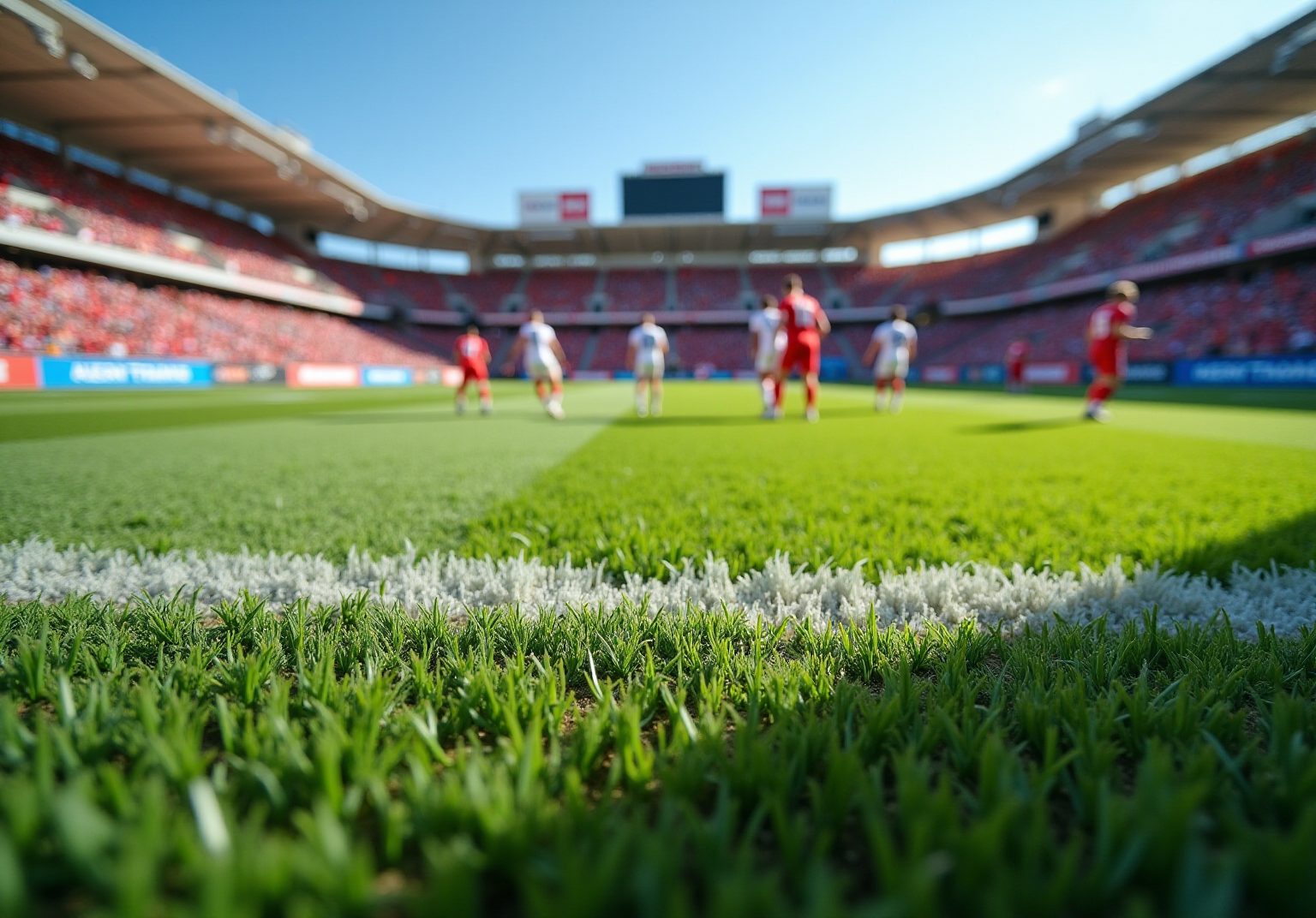
Artificial surface, commonly known as synthetic grass, consists of synthetic fibers engineered to replicate the look and feel of natural grass. This innovative surface serves as a durable, low-maintenance alternative to traditional lawns, making it ideal for a variety of applications, including residential yards, sports fields, and playgrounds, highlighting the pros and cons of artificial turf.
One of the most significant benefits of synthetic grass is its minimal upkeep. It eliminates the need for watering, mowing, and fertilizing, which not only saves time but also conserves water-an essential consideration in drought-prone regions like Southern California.
Recent trends indicate an increasing preference for synthetic grass among homeowners, with 92% of setup requests originating from residential clients. This shift is driven by the desire for aesthetically pleasing landscapes that require less maintenance and offer year-round greenery. Furthermore, advancements in surface technology have led to products that are not only visually appealing but also eco-friendly, with numerous alternatives designed to reduce water usage by as much as 70% compared to natural vegetation.
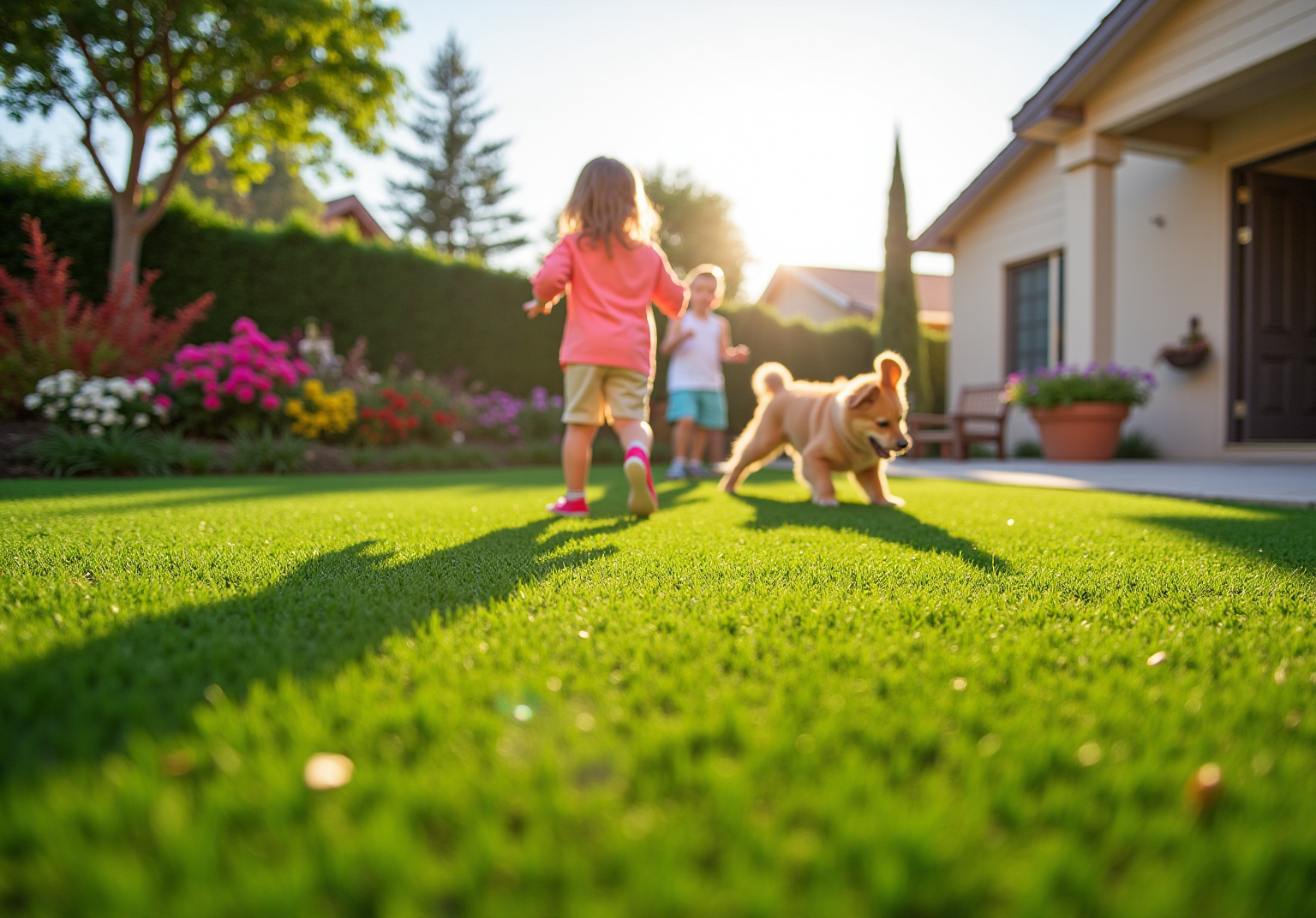
Successful installations of synthetic turf have been reported across various settings, showcasing its versatility and effectiveness. For instance, homeowners have transformed their backyards into lush, maintenance-free spaces, while schools and sports facilities benefit from durable surfaces that withstand heavy use.
As the synthetic surface market continues to grow, fueled by advancements in material technology and rising awareness of eco-friendly landscaping methods, homeowners are increasingly considering the pros and cons of artificial turf as a practical and appealing option for their outdoor areas.
To explore how California Turf Company can assist you in achieving the perfect low-maintenance lawn, initiate your free consultation today!

Explore the Benefits of Artificial Turf
Initiate Your Free Consultation with California Turf Company for Premium Artificial Grass and Putting Green Solutions.
- One of the pros and cons of artificial turf is that it requires low maintenance, as synthetic lawns need minimal upkeep compared to natural vegetation, eliminating the need for mowing, watering, and fertilizing. Considering the pros and cons of artificial turf, this option saves homeowners time and money, typically requiring only 2-4 hours of maintenance per year.
- With growing concerns about water scarcity, the pros and cons of artificial turf indicate that it can significantly reduce water consumption. A typical residential lawn can consume approximately 99,000 gallons of water annually for maintenance, but the pros and cons of artificial turf show that this figure can be drastically lowered by switching to synthetic grass. The implementation of synthetic grass in cities like Phoenix and Scottsdale showcases the pros and cons of artificial turf, resulting in a remarkable decrease in water usage by up to 90% in public areas.
- When considering the pros and cons of artificial turf, its durability stands out, as it is designed to withstand significant foot traffic while maintaining its appearance and performance over time, making it ideal for active families and pets. When evaluating the pros and cons of artificial turf, it is important to note that the lifespan of artificial grass is typically 8-10 years or more, ensuring a long-term investment.
- When considering the pros and cons of artificial turf, one notable advantage is its consistent appearance, as it remains lush and green year-round, providing a visually appealing landscape regardless of weather conditions. This consistency enhances property value and aesthetic appeal, which are important aspects in the discussion of the pros and cons of artificial turf.
- When considering the pros and cons of artificial turf, it’s important to note that many synthetic grass products are designed with safety features in mind, incorporating cushioned underlayment for playgrounds and non-toxic materials for pet areas. This focus on safety ensures that families can enjoy their outdoor spaces without concerns about harmful chemicals or injuries.

Examine the Drawbacks of Artificial Turf
-
Initial Cost: The initial investment for installing synthetic grass can be significantly higher than that of natural sod, with costs ranging from $5 to $12 per square foot for high-quality options. This upfront expense may discourage some homeowners, especially when considering that laying sod typically costs between $0.30 to $0.80 per square foot. However, over a span of 10 years, synthetic grass could save homeowners between $2,000 and $5,000 or more in water expenses, which highlights the pros and cons of artificial turf when considering the initial investment versus long-term benefits.
-
A significant aspect to consider in the pros and cons of artificial turf is its tendency to absorb and retain heat, which can lead to surface temperatures exceeding 160°F in direct sunlight. This can create uncomfortable conditions for pets and children playing on the surface, raising concerns about potential heat-related injuries, including skin burns.
-
The pros and cons of artificial turf highlight that while synthetic grass reduces water usage, it is made from man-made materials that contribute to plastic pollution. The breakdown of synthetic grass into microplastics poses a threat to soil and water systems. Furthermore, the lack of efficient recycling methods exacerbates environmental issues, as there is currently no recognized way to recycle synthetic grass.
-
When discussing the pros and cons of artificial turf, it’s important to note that, unlike natural lawns, synthetic surfaces do not support local wildlife or enhance soil health. This lack of biodiversity can negatively impact the surrounding ecosystem, as it fails to provide habitats for essential organisms critical for maintaining a balanced environment.
-
When discussing the pros and cons of artificial turf, it’s important to note that while it requires less upkeep than natural vegetation, it is not entirely maintenance-free. Periodic cleaning and brushing are necessary to maintain its appearance and prevent odors, particularly in areas frequented by pets. In comparison, maintaining natural vegetation can cost between $1,000 and $2,000 annually, highlighting the cost-efficiency of synthetic surfaces over time.

Assess Installation and Maintenance Considerations
-
Setup Procedure: Proper setup is essential for the longevity of artificial turf. This process typically includes site preparation, which involves removing existing grass, leveling the ground, and laying a well-compacted base material to ensure effective drainage. This foundational work is critical in preventing future issues such as shifting or sinking.
-
Professional vs. DIY: Homeowners face a choice between hiring professionals or undertaking a DIY setup. While a DIY approach can save money, professional installation is often recommended for optimal results. Experts bring valuable knowledge and the right tools, ensuring compliance with best practices and manufacturer specifications. This not only safeguards warranties but also enhances the grass’s performance and appearance. Notably, interest in installing artificial grass in California has surged 1.5 times over the past five years, reflecting a growing trend towards synthetic solutions.
-
Maintenance Routine: Regular maintenance is crucial and involves brushing the surface to keep fibers upright, rinsing to remove debris, and inspecting for any damage. For pet owners, additional cleaning may be necessary to effectively manage odors. H2I Group emphasizes that professional installers can provide guidance on post-installation maintenance, including brushing, infill replenishment, and cleaning, which can extend the durability of your grass.
-
Cost Considerations: Homeowners should budget for both setup and ongoing maintenance expenses, which can vary based on the area size and the type of turf selected. Investing in expert setup not only enhances aesthetic appeal but also reduces the risk of costly errors associated with DIY projects, ensuring a beautiful and functional lawn for years to come. As noted by H2I Group, by opting for expert setup, you save yourself the headache and expense of future repairs or replacements.
-
Longevity: With proper care, high-quality synthetic grass can last between 15 to 25 years, making it a long-term investment for homeowners.

Identify Applications of Artificial Turf in Residential Settings
-
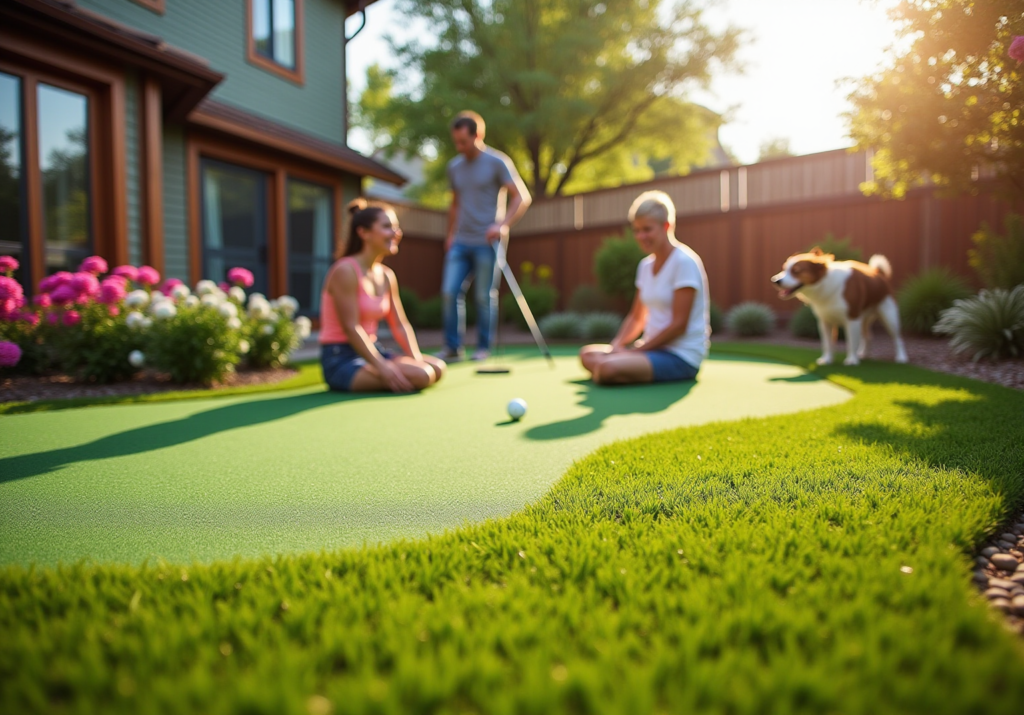
Backyard Putting Greens: Homeowners can transform their yards into personal golf retreats with custom-designed putting greens that replicate the feel of professional courses. These greens enhance the aesthetic appeal of the property and provide a functional space for practice, leading to measurable improvements in golf performance. With proper installation, these greens can last 10 to 20 years, making them a worthwhile investment for golf enthusiasts.
-
Playgrounds: Synthetic grass provides a safe, cushioned surface for children’s play areas, significantly decreasing the risk of injuries. Modern grass products are created with non-toxic materials, ensuring a safe environment for children. The clean, durable quality of synthetic grass results in less mud and clutter, making it a perfect option for busy families.
-
Pet Areas: Pet-friendly artificial grass is designed to endure significant usage and is simple to maintain, making it ideal for pet owners. Its soft surface reduces the risk of slips and injuries, while its durability ensures that it remains lush and green year-round, providing a comfortable space for pets to play.
-
Landscaping Features: Synthetic grass can be creatively integrated into landscaping designs, enhancing areas around pools, patios, and pathways. This versatile material provides a vibrant green look without the maintenance demands of natural grass, allowing homeowners to enjoy a beautiful outdoor space with minimal effort.
-
Sports Areas: Homeowners can install synthetic grass for various sports activities, creating versatile spaces for family games and outdoor fun. When considering the pros and cons of artificial turf, it becomes clear that it provides a consistent, hazard-free surface for soccer, bocce ball, or casual play, enhancing the overall outdoor experience.

Conclusion
In conclusion, artificial turf stands out as a viable option for homeowners who desire a low-maintenance and visually appealing alternative to traditional grass. By recognizing its distinct advantages and disadvantages, homeowners can make informed choices that align with their lifestyle and environmental values.
Key insights indicate that artificial turf significantly cuts down on maintenance time and water consumption. However, it is essential to consider the initial investment and potential environmental impacts. The durability and consistent appearance of synthetic grass can enhance property value, yet factors such as heat retention and plastic pollution warrant careful consideration. Homeowners should weigh these pros and cons thoughtfully, particularly given the increasing focus on sustainable landscaping practices.
Ultimately, the decision to install artificial turf should strike a balance between personal preferences and ecological responsibility. As the popularity of synthetic grass continues to rise, exploring various options and consulting with professionals can facilitate a successful installation that enriches outdoor living spaces while addressing environmental concerns. Embracing artificial turf not only offers immediate benefits but also contributes to long-term savings and enjoyment, paving the way for a greener future.
Frequently Asked Questions
What is artificial turf and what is its purpose?
Artificial turf, also known as synthetic grass, consists of synthetic fibers designed to mimic the appearance and feel of natural grass. Its purpose is to provide a durable, low-maintenance alternative to traditional lawns for various applications, including residential yards, sports fields, and playgrounds.
What are the maintenance requirements for artificial turf?
Artificial turf requires minimal upkeep compared to natural grass, eliminating the need for watering, mowing, and fertilizing. Typically, it only requires 2-4 hours of maintenance per year.
How does artificial turf help conserve water?
Artificial turf significantly reduces water consumption. A typical residential lawn can use approximately 99,000 gallons of water annually, but switching to synthetic grass can lower this figure drastically, with some cities reporting reductions in water usage by up to 90%.
What are the durability and lifespan of artificial turf?
Artificial turf is designed to withstand significant foot traffic while maintaining its appearance and performance. Its lifespan is typically 8-10 years or more, making it a long-term investment.
How does artificial turf affect the aesthetic appeal of a property?
Artificial turf maintains a consistent lush and green appearance year-round, enhancing property value and aesthetic appeal regardless of weather conditions.
Are there safety features associated with artificial turf?
Many synthetic grass products include safety features such as cushioned underlayment for playgrounds and non-toxic materials for pet areas, ensuring a safe outdoor environment for families.
Why is there an increasing preference for artificial turf among homeowners?
The increasing preference for artificial turf among homeowners is driven by the desire for aesthetically pleasing landscapes that require less maintenance and offer year-round greenery, along with advancements in eco-friendly technology.