Introduction
Selecting the right artificial turf can significantly enhance an outdoor space. However, the vast array of options available may leave homeowners feeling overwhelmed. It is essential to understand the key characteristics that contribute to a realistic appearance, as this not only boosts curb appeal but also adds functionality to the landscape.
To navigate the complexities of choosing artificial turf, consider the following factors:
- Color: The right shade can mimic natural grass, enhancing the overall aesthetic.
- Texture: A realistic feel is crucial for both visual appeal and comfort.
- Durability: Ensure the turf can withstand various weather conditions and foot traffic.
- Specific Needs: Consider factors such as pet-friendliness to ensure the turf meets your lifestyle requirements.
By focusing on these elements, homeowners can make a stunning and practical choice in artificial turf.
Identify Key Characteristics of Realistic Artificial Turf
To select the most realistic artificial turf for your home, focus on the following key characteristics that enhance authenticity:
-
Blade Structure: Choose blades that replicate the natural curvature and direction of real grass. High-quality grass typically showcases varied shapes and sizes, creating a more organic appearance. W-shaped and S-shaped blades are particularly effective in achieving a lifelike look.
-
Color Variation: Opt for turf that includes multiple shades of green alongside brown thatch fibers. This color diversity mimics the natural variations found in actual greenery, significantly enhancing visual appeal and realism.
-
Pile Height: The height of the grass blades should align with your intended use. For residential lawns, a pile height between 1.5 to 2 inches is ideal, offering a lush look while minimizing maintenance needs. Shorter pile heights are better suited for high-traffic zones and pet grass.
-
Density: A denser grass not only feels more realistic underfoot but also provides greater durability. Look for products with a higher face weight, as this indicates quality and longevity, with many professionals recommending a weight of 70+ ounces per square yard for optimal performance.
-
Texture: The tactile experience of the turf is crucial. Choose items that provide a soft, organic texture, which can be attained through advanced yarn technology. This ensures comfort and enhances the overall aesthetic of your outdoor space.
By considering these factors, you can confidently select the most realistic artificial turf that closely resembles real lawns, thus enhancing the beauty and functionality of your landscape.

Choose the Right Color and Texture for Natural Appearance
When selecting artificial turf, the interplay of color and texture is crucial for achieving a natural appearance:
- Color Selection: Choose grass that showcases a blend of light, medium, and dark green tones. This variety closely mirrors the organic color palette of genuine turf, avoiding excessively bright or uniform tones that can seem artificial.
- Texture Considerations: Prioritize turf with a soft texture that feels pleasant underfoot. Items with diverse fiber forms and lengths improve the tactile sensation, making the surface resemble authentic vegetation.
- Thatch Layer: Incorporating a brown thatch layer at the base of the blades adds realism, mimicking the appearance of dead grass and soil typically found in organic lawns.
- Sample Testing: Request samples of various grass options to compare colors and textures in your outdoor space. Observing how they appear in natural light can significantly aid in making an informed decision.
To explore the best options for your home, initiate your free consultation with California Turf Company today. During this consultation, you will receive customized guidance suited to your landscaping requirements, assisting you in selecting the ideal synthetic grass option. The demand for synthetic grass is increasingly fueled by homeowners looking for low-maintenance landscaping options that save water and improve property aesthetics. As the market evolves, innovations in texture and color variation are becoming essential for creating the most realistic artificial turf options that are visually appealing.

Evaluate Durability and Maintenance Requirements
To ensure your artificial turf remains beautiful and functional over time, it is essential to evaluate its durability and maintenance needs:
-
Material Quality: Select high-quality grass made from UV-resistant materials that prevent fading and brittleness. Products with warranties of 10 years or more demonstrate confidence in their durability and performance.
-
Backing Strength: A strong backing is vital for withstanding heavy foot traffic and environmental conditions. It not only enhances durability but also improves drainage, effectively preventing water pooling.
-
Maintenance Needs: While synthetic grass requires significantly less upkeep than natural grass, it still necessitates regular cleaning, brushing, and occasional infill replacement. Daily inspections for tears and foreign objects are critical for maintaining safety and performance. Additionally, deep grooming and infill replenishment should be performed once per year to ensure optimal conditions. Rinsing the grass every one to two weeks helps eliminate pollen and fine debris, contributing to its longevity. Committing to a maintenance routine is vital for preserving its appearance and performance over time.
-
Lifespan: Familiarize yourself with the expected lifespan of the grass you are considering. Most high-quality synthetic grass can endure between 15 to 25 years, depending on usage and maintenance practices. Regular maintenance can extend this lifespan, ensuring your investment remains functional and visually appealing for years to come.

Consider Specific Needs: Pet-Friendly and Safety Features
When selecting artificial turf, it is essential to consider specific needs, particularly if you have pets or children:
-
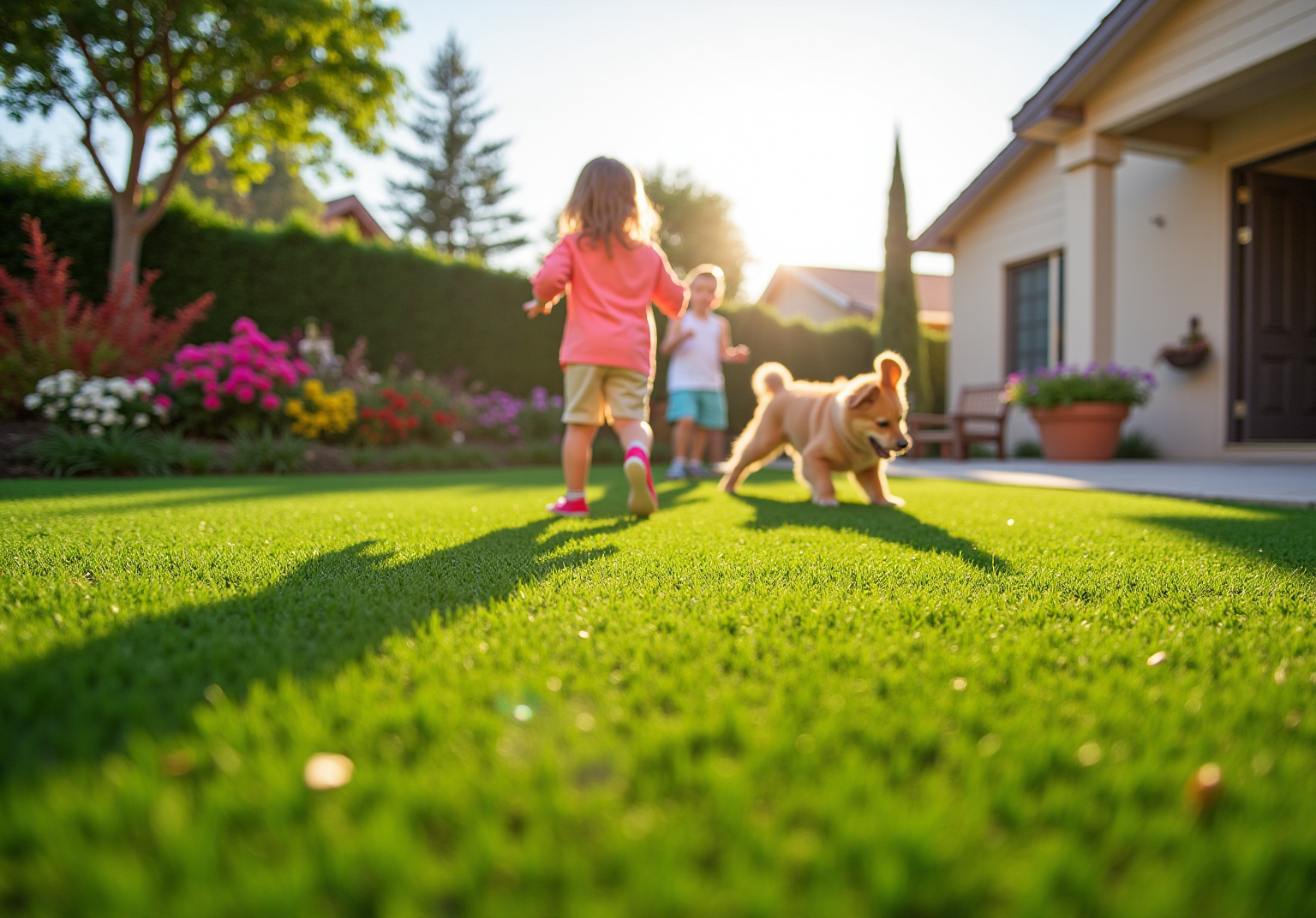
Pet-Friendly Options: Choose grass designed specifically for pets, which often includes features such as antimicrobial properties to reduce odors and bacteria. Ensure the grass has a robust drainage system to effectively handle pet waste.
-
Safety Features: For areas where children will play, select grass that meets safety standards. This may include padded underlayment to cushion falls and reduce the risk of injury. Check for certifications that indicate compliance with safety regulations.
-
Non-Harmful Substances: Ensure that the surface is made from non-harmful substances, especially if children or pets will frequently come into contact with it. This is crucial for maintaining a safe environment.
-
Maintenance for Pets: Consider how easy it is to clean the turf after pet use. Look for products that allow for easy rinsing and debris removal to keep the area hygienic.

Conclusion
Selecting the most realistic artificial turf for a home requires a thoughtful approach that emphasizes authenticity and functionality. Homeowners should focus on key characteristics such as blade structure, color variation, pile height, density, and texture. These elements help ensure that the turf closely resembles natural grass while enhancing outdoor spaces.
Several essential factors must be considered in this selection process:
- Color and Texture: Choosing the right color and texture is crucial for achieving a natural appearance.
- Durability and Maintenance: Evaluating the durability and maintenance requirements of the turf is vital for long-term satisfaction.
- Specific Needs: Homeowners should also consider specific needs, such as pet-friendliness and safety features.
Each of these aspects contributes to a successful selection process, ensuring that the chosen artificial turf not only looks great but also performs well over time.
Ultimately, investing in high-quality artificial turf can transform a landscape into a lush, low-maintenance oasis. By following the guidelines outlined in this guide, homeowners can make informed decisions that enhance their property’s aesthetic appeal and functionality. Additionally, considering the unique needs of families and pets will lead to a beautiful outdoor environment that stands the test of time.
Frequently Asked Questions
What are the key characteristics to look for in realistic artificial turf?
The key characteristics include blade structure, color variation, pile height, density, and texture.
How should the blade structure of artificial turf be designed?
The blade structure should replicate the natural curvature and direction of real grass, with varied shapes and sizes. W-shaped and S-shaped blades are particularly effective for a lifelike appearance.
Why is color variation important in artificial turf?
Color variation is important because it includes multiple shades of green and brown thatch fibers, mimicking the natural variations found in real grass, which enhances visual appeal and realism.
What is the ideal pile height for residential lawns?
The ideal pile height for residential lawns is between 1.5 to 2 inches, offering a lush look while minimizing maintenance needs.
What pile height is recommended for high-traffic zones and pet grass?
Shorter pile heights are better suited for high-traffic zones and pet grass.
How does density affect the realism of artificial turf?
A denser grass feels more realistic underfoot and provides greater durability. A higher face weight, ideally 70+ ounces per square yard, indicates better quality and longevity.
What role does texture play in the selection of artificial turf?
Texture is crucial for the tactile experience; choosing turf with a soft, organic texture enhances comfort and the overall aesthetic of your outdoor space.