Introduction
The landscape of lawn care is undergoing a significant transformation, marked by a growing shift towards sustainable and innovative alternatives to traditional fake grass. Homeowners are increasingly in search of options that not only enhance the aesthetic appeal of their outdoor spaces but also promote environmental stewardship and lower maintenance costs.
However, with a plethora of choices available, the challenge lies in discerning which alternatives genuinely fulfill their promises of sustainability and practicality. This article explores five creative solutions that can effectively transform a lawn while addressing the urgent need for resource conservation.
California Turf Company: Premium Artificial Grass Solutions
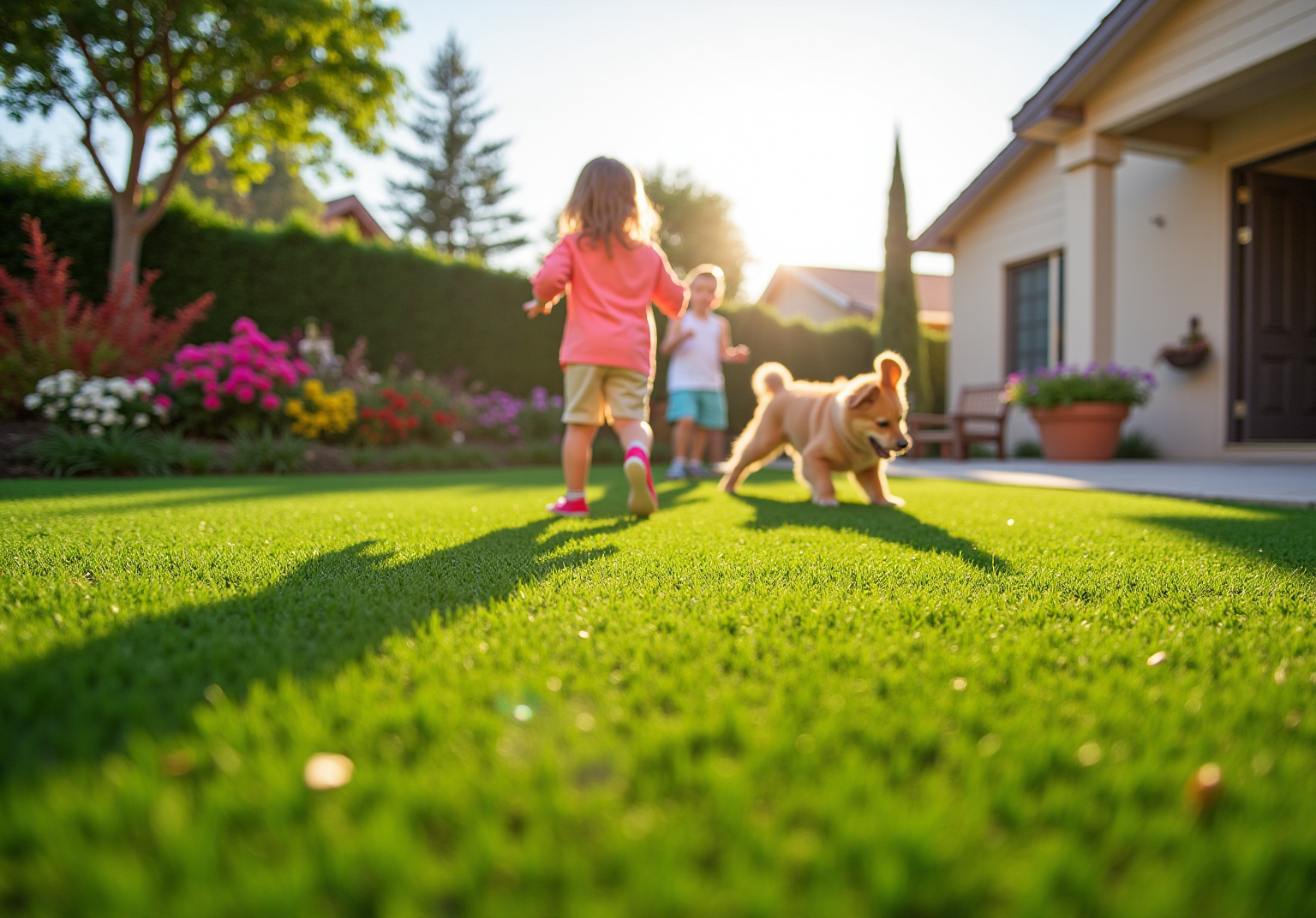
Turf Company specializes in providing premium artificial grass solutions designed for both residential and commercial properties. Their products effectively replicate the vibrant appearance of natural grass while offering significant benefits, including reduced maintenance costs and lower resource consumption. This is particularly advantageous in regions like the South, where water conservation is crucial.
The versatility of the company’s offerings caters to various applications, such as:
- Backyard putting greens
- Playgrounds
- Athletic fields
This ensures that every space can maintain a lush, green appearance throughout the year with minimal upkeep.
In collaboration with Celebrity Greens®, Turf Company integrates advanced design technologies into their turf solutions, enhancing both aesthetic appeal and functionality. This partnership positions them as a top choice for property owners and businesses seeking high-quality, maintenance-free landscapes.
With the artificial turf market expected to experience significant growth due to rising demand for sustainable landscaping options, California Turf Company distinguishes itself as a reliable provider committed to excellence and innovation in artificial grass solutions. Their products are designed to be durable, easy to maintain, and safe for children and pets.

Drought-Resistant Plants: Sustainable Lawn Alternatives
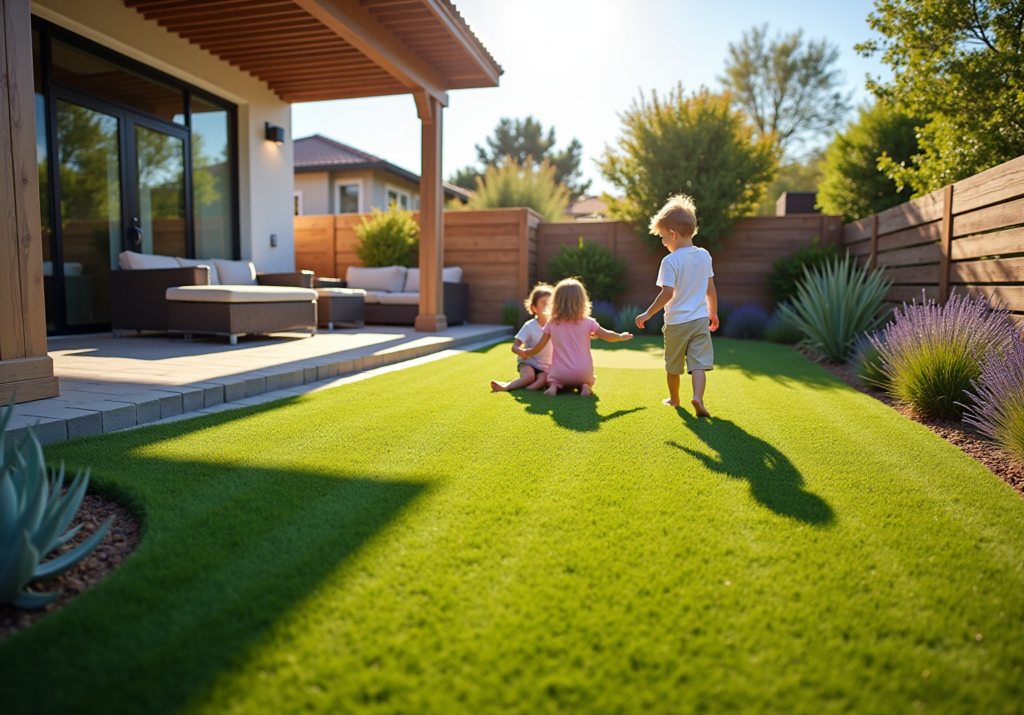
Drought-resistant vegetation presents an attractive option for homeowners aiming to reduce water usage while enhancing the appeal of their landscapes. Varieties such as succulents, lavender, buffalograss, and bluebunch wheatgrass thrive in arid conditions, requiring minimal irrigation. By incorporating these plants into your garden, you can create a vibrant, low-maintenance environment that conserves moisture and supports local ecosystems.
Additionally, these species attract beneficial wildlife, which boosts the biodiversity of your outdoor space. According to sustainable landscaping trends projected for 2026, homeowners can save up to 80% on utility bills by implementing xeriscaping practices. This approach emphasizes the use of drought-resistant vegetation and efficient resource management strategies.
Moreover, adopting xeriscaping not only addresses the urgent water crisis-given that global freshwater demand is anticipated to exceed supply by 40% by 2030-but also promotes a healthier environment by reducing chemical runoff and enhancing local biodiversity.

Ground Cover Plants: Aesthetic and Functional Lawn Solutions
Ground cover vegetation serves as an attractive and functional alternative to fake grass lawns. Varieties such as:
- Creeping thyme
- Clover
- Asiatic jasmine
- Creeping Jenny
not only enhance the aesthetic appeal of landscapes but also provide practical benefits, including weed suppression and soil erosion prevention. These low-growing species serve as effective alternatives to fake grass, significantly reducing water consumption and maintenance requirements compared to conventional lawns, making them an excellent choice for busy homeowners. For example, implementing ground covers can lower average maintenance costs by up to 50%, resulting in a lush, green space that demands minimal upkeep.
Recent trends reveal an increasing interest in sustainable landscaping, with homeowners opting for native and drought-tolerant ground covers that flourish in local conditions. Successful installations of species like Asiatic jasmine and Creeping Jenny have shown their capacity to create vibrant, layered landscapes while supporting local ecosystems. Dr. Eddie Smith, an Extension Agent, observes, “Creeping Jenny creates a pop of color wherever it is used, such as tucked into containers or freely roaming across slopes.”
As gardening practices evolve, the emphasis on ecological support is becoming crucial. Ground covers are now acknowledged for their role in enhancing garden resilience and minimizing long-term maintenance. By strategically incorporating these plants into your landscape, you can cultivate a beautiful, functional outdoor space that aligns with modern sustainability objectives.

Artificial Turf for Playgrounds and Sports Fields: Safe and Practical
Artificial turf has emerged as a favored option for playgrounds and sports fields, primarily due to its durability and safety features.
-
Durability and Safety: Unlike natural grass, synthetic turf offers a consistent surface that significantly reduces the risk of injuries from falls. It is engineered to endure heavy foot traffic, making it particularly suitable for active play areas.
-
Shock-Absorbing Padding: Modern artificial turf options frequently include shock-absorbing padding, which enhances safety for both children and athletes.
-
Maintenance Efficiency: With minimal maintenance requirements, artificial turf maximizes playtime while minimizing downtime for repairs.
To explore premium artificial grass and putting green options, initiate your complimentary consultation with Turf Company today! By providing my phone number, I consent to receive text messages and calls from California Turf Company, and I accept the Terms of Services and Privacy Policy provided by Turf Company.

Xeriscaping: Water-Efficient Landscaping Solutions
Xeriscaping is a sustainable landscaping method that emphasizes conservation through the use of drought-resistant flora and efficient irrigation strategies. This technique not only reduces water usage but also fosters visually appealing gardens that thrive in dry conditions.
Key principles of xeriscaping include:
- Selecting native plants that thrive in local climates.
- Strategically using mulch to retain soil moisture.
Designing landscapes that minimize the need for traditional turf areas can involve considering alternatives to fake grass.
Homeowners who implement xeriscaping can significantly lower their utility expenses, with some saving up to 120 gallons per day. This approach enhances outdoor aesthetics while decreasing environmental impact. Xeriscaping can reduce water use by 50 to 75 percent, making it an attractive option for those looking to conserve resources.
Successful xeriscaping projects in California have demonstrated that this approach can increase property values by up to 15%. Various case studies highlight compliance with HOA guidelines, showcasing the benefits of xeriscaping.
As xeriscaping gains popularity, current trends indicate an increasing number of residents adopting these eco-friendly practices. They recognize the long-term advantages of establishing low-maintenance, attractive landscapes that adhere to community guidelines. However, it is important to consider potential disadvantages, such as alterations to yard appearance and reduced recreational space, which may influence some homeowners’ decisions.

Conclusion
Exploring innovative alternatives to fake grass reveals a diverse array of options that enhance outdoor beauty and promote sustainability. Homeowners can consider alternatives such as drought-resistant plants, ground covers, and xeriscaping to create vibrant landscapes that require less water and maintenance, ultimately contributing to environmental conservation.
The advantages of these solutions are significant:
- Durability and Safety: Artificial turf offers a safe play area for children and pets.
- Aesthetic and Functional Benefits: Ground cover plants provide visual appeal and practical benefits.
- Water-Saving Strategies: Xeriscaping reduces water usage, making it an eco-friendly choice.
Each option presents unique benefits, from reduced utility costs to increased property values, showcasing the potential for transforming traditional lawns into eco-friendly havens.
As the demand for sustainable landscaping grows, embracing these alternatives can lead to healthier ecosystems and more resilient gardens. Homeowners are encouraged to explore these innovative solutions, enhancing their properties while positively impacting the environment. Making informed choices in lawn care can pave the way for a greener future, where beauty and sustainability coexist harmoniously.
Frequently Asked Questions
What services does California Turf Company provide?
California Turf Company specializes in premium artificial grass solutions for both residential and commercial properties.
What are the benefits of using artificial grass from California Turf Company?
Their artificial grass replicates the appearance of natural grass while offering reduced maintenance costs and lower resource consumption, making it particularly beneficial for water conservation.
What applications can California Turf Company’s artificial grass be used for?
Their products can be used for various applications, including backyard putting greens, playgrounds, and athletic fields.
How does California Turf Company enhance the quality of its turf solutions?
They collaborate with Celebrity Greens® to integrate advanced design technologies into their turf solutions, improving both aesthetic appeal and functionality.
What makes California Turf Company a reliable choice for artificial grass?
The company is committed to excellence and innovation, offering durable, easy-to-maintain products that are safe for children and pets.
What is the expected trend in the artificial turf market?
The artificial turf market is expected to experience significant growth due to rising demand for sustainable landscaping options.
What are drought-resistant plants, and why are they beneficial?
Drought-resistant plants, such as succulents and lavender, are vegetation types that thrive in arid conditions with minimal irrigation, helping to reduce water usage while enhancing landscape appeal.
How can implementing drought-resistant plants affect utility bills?
Homeowners can save up to 80% on utility bills by incorporating xeriscaping practices that emphasize drought-resistant vegetation.
What are the environmental benefits of adopting xeriscaping?
Xeriscaping addresses water scarcity issues, reduces chemical runoff, and enhances local biodiversity, promoting a healthier environment.
Why is there an urgent need for sustainable landscaping practices?
Global freshwater demand is projected to exceed supply by 40% by 2030, making sustainable practices like xeriscaping crucial for resource management.